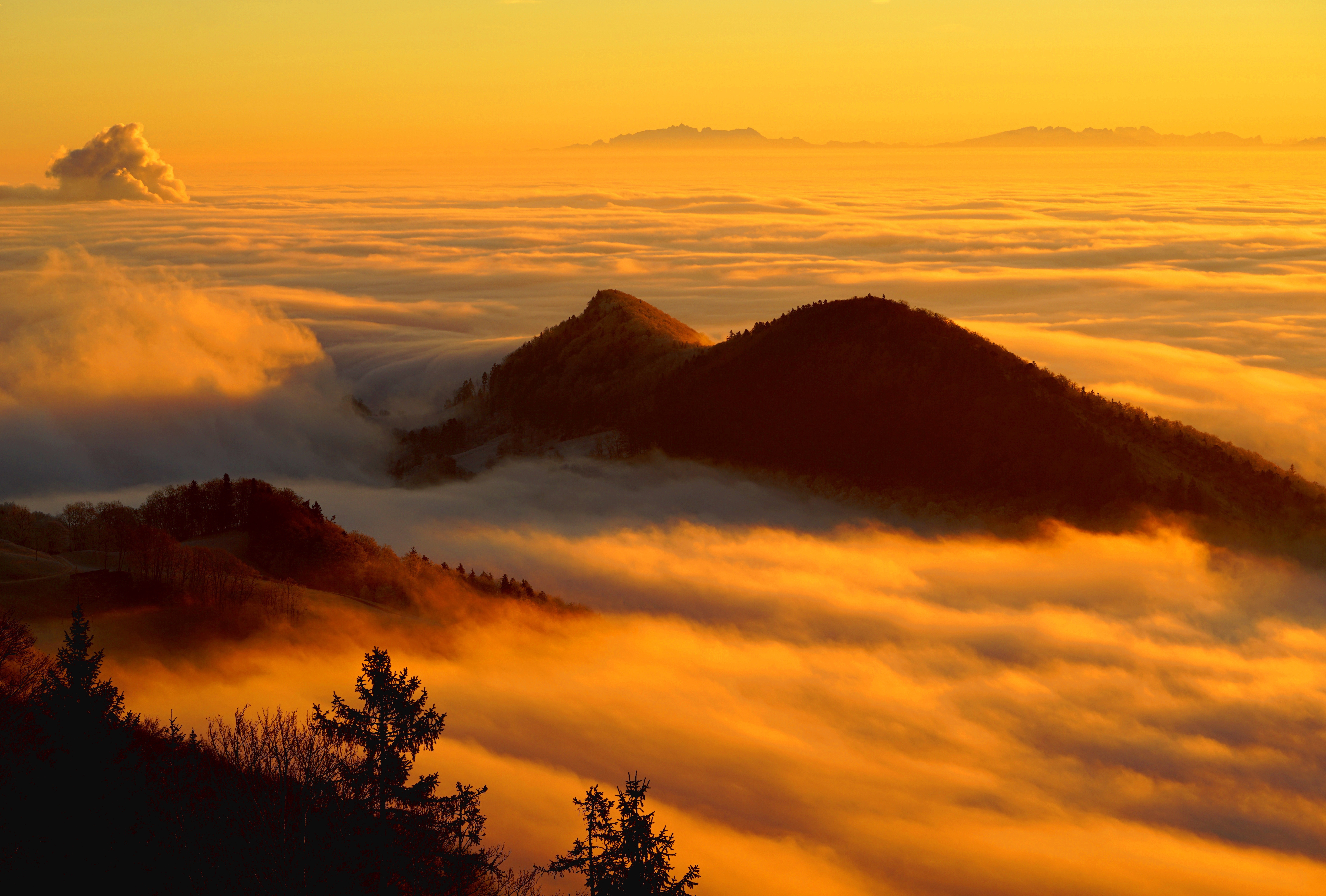
Packing for a summer holiday in the Swiss Alps can be surprisingly challenging because high-altitude weather is notoriously unpredictable. You can easily start your morning basking under bright, warm sunshine in a lush green valley at 25°C, and find yourself shivering in a freezing mountain wind or sudden rain shower at 2,500 meters just two hours later. To stay comfortable, safe, and prepared, mastering the art of efficient, practical packing is essential. Heavy, bulky cotton clothing must be completely abandoned in favor of lightweight, moisture-wicking materials and tactical layers. In this comprehensive gear manual, we outline the absolute summer essentials every hiker needs to carry into the Swiss mountains.
1. Mastering the Smart 3-Layer Clothing Rule
Instead of packing one massive winter coat, the secret to alpine comfort is **layering**. This allows you to smoothly adjust your temperature as you hike up steep inclines or sit down on a windy peak.
The **Base Layer** should be a moisture-wicking synthetic or merino wool t-shirt that pulls sweat away from your skin. Never wear regular cotton, as it absorbs water, stays wet, and cools your body down rapidly. The **Insulating Middle Layer** should be a lightweight fleece jacket or a packable down vest to trap your body heat. Finally, the **Outer Shell Layer** must be a premium windproof and waterproof rain jacket (such as Gore-Tex) to protect you from sudden mountain thunderstorms.
2. Footwear: Choosing Stability Over Fashion
The rugged, rocky, and often loose gravel terrain of the Swiss trails means standard running sneakers are simply not safe enough for high-altitude loops. A single slip can easily ruin a vacation.
You need dedicated hiking shoes or mid-cut boots that feature deep-lugged rubber outsoles (like Vibram) for excellent traction. Make sure your boots are thoroughly broken in before arriving in Switzerland to avoid painful blisters. Pair your footwear with thick **merino wool hiking socks**, which provide natural cushioning and prevent friction zones inside your shoe. Bringing along a pair of lightweight, collapsible trekking poles is also highly recommended to significantly reduce the impact and strain on your knees during steep descents.
3. High-Altitude Sun and Skin Protection
Many first-time travelers are shocked by how quickly they get sunburned in the Alps. The mountain air is incredibly crisp and thin, meaning harmful UV rays are much stronger at 2,000 meters than they are down at sea level.
A comprehensive mountain pack must always include a broad-spectrum, high-SPF sunscreen and a protective UV lip balm. A wide-brimmed sun hat or a classic baseball cap alongside polarized sunglasses (Category 3 or 4) are vital to block out intense mountain glare, especially if you plan on walking anywhere near high-altitude snow patches or reflective alpine glacier lakes.
4. Electronics: The Unique Swiss Type-J Adapter
Keeping your phone, camera, and power banks charged is critical for trail navigation using apps like SwissMobile. However, Switzerland does not use the standard European round-pronged plugs that you find in France or Germany.
The country relies on its own unique **Type-J electrical outlet**, which features three round pins in a distinct hexagon shape. Standard European plugs will often fit if they are very thin, but thick, recessed continental plugs will completely fail to slide into Swiss wall sockets. Always pack a dedicated Swiss adapter or a high-quality universal travel adapter alongside a robust external power bank to ensure your devices never run out of battery during long trail days.